He became both my support system and my target and we were utterly codependent as many alcoholics can be https://ecosoberhouse.com/ (me, not him). I wonder what that must’ve been like for him. What that chaos did to his well-being.
FIRST STEPS RECOVERY
Mama had a Why get mama her why Mama’s not happy? And so it’s evolved right to like, everybody’s happy because mom is happy. It’s, uh, it’s not without, like, loss, right? So, you know, places we used to go or things we used to do or whatever, right, some of those are.
Loss of trust
While there may be some correlation between a successful marriage and sobriety, partners entering recovery can also learn to get healthy together. It’s tough when one spouse is sober, and the other is not. In this blog post, we’ll explore some of the challenges you may face as well as some tips for navigating marriage after sobriety with aftercare planning.
Make a testament to the boundless power of love – together
The experienced and compassionate team collaborates closely with each participant to craft a personalized recovery plan. You can look at the Los Angeles sober living programs that can help you and your spouse in this challenging but rewarding journey. Your husband or wife has chosen to stay and support you because they care. They’ll also care that you’re actively working on your recovery. Sharing the times when you’re going to an AA meeting or making progress in your 12 Step Program can renew your partner’s faith that you’re truly going to get and stay sober. It’s an old adage that communication is vital in marriage anyway, and that’s especially true when one or both partners are recovering addicts.
What will happen to the relationship?
When I was, a lot of times, just sort I’m having a party with my glass of wine on the couch by myself. And then in the mornings, I was pretty distant and defensive and irritated because I was hung over. And so, how that, you know, affects a marriage, right when you don’t have that much quality time together.
- And some of my frustrations around your drinking were just about like, when that would fall off, right?
- Because, right, when we’re out and about meeting people or whatever, just socially, right?
- I’d flaked on them too many times.
- Remember, recovery isn’t just about ceasing alcohol consumption—it’s about regaining trust, mending relationships, and reaffirming commitments.
So like from a husband’s perspective, whose wife has quit drinking? Let them know that you understand this is not their fault, and that you are here to help them get through it like any other health issue. If you are in recovery from addiction, it’s important to take things slow when it comes to rebuilding your marriage.
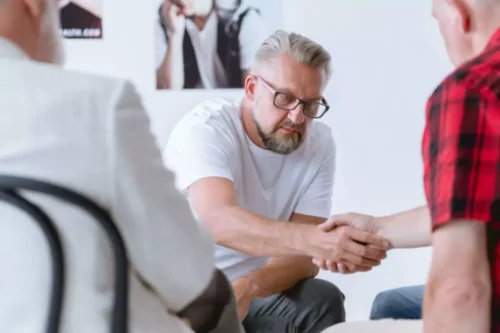

I soon realized that the studio allowed me to practice setting boundaries with Bill and provided me a safe place when our home became stormy. Every anniversary, we would go away to wine tasting long weekends and stuff. And I remember we went one year to Santa Barbara because you know, marriage changes after sobriety I had to think through like, okay, there’s the beach. So yeah, that was probably the ones to worry about. You know, well, what do you… what am I gonna say? Yeah, what are you gonna say and whatever, you know, and I’m like, I don’t know what to say you don’t, you’re not drinking.
But you and my mom asked, or something happened? Where could we have a bottle of red wine at dinner on Christmas dinner? You know, it’s my Christmas dinner.
- Some tough subjects may be difficult for you to talk about or may result in constant interruption and arguments.
- This affliction doesn’t discriminate—it can strike any marriage, irrespective of socio-economic status, love, or the strength of the initial bond.
- Did give that I that was, you know, once.
- This puzzled me as I had repeatedly been present to him.
- Often, there is a “honeymoon” period when they’re on their best behavior and reaffirm their love and commitment.
Without the cornerstone of Bill’s recovery, none of this would be possible again. However, it is rare to read a book that integrates the parallel recovery process that is necessary for couples in which one individual is in sobriety and the other is not. The supportive partner may also go through their own emotional process. SUD takes an enormous toll on intimate relationships. It’s often very difficult for the partner to let go of the resentment, anger, and fear they’ve felt over the time their partner was using drugs and alcohol. In addition, quitting drugs and alcohol also usually comes with mental health conditions, like anxiety or anhedonia (inability to feel pleasure).